Dengue is a febrile illness caused by a flavivirus transmitted by principal vector is the mosquito Aedes aegypti.
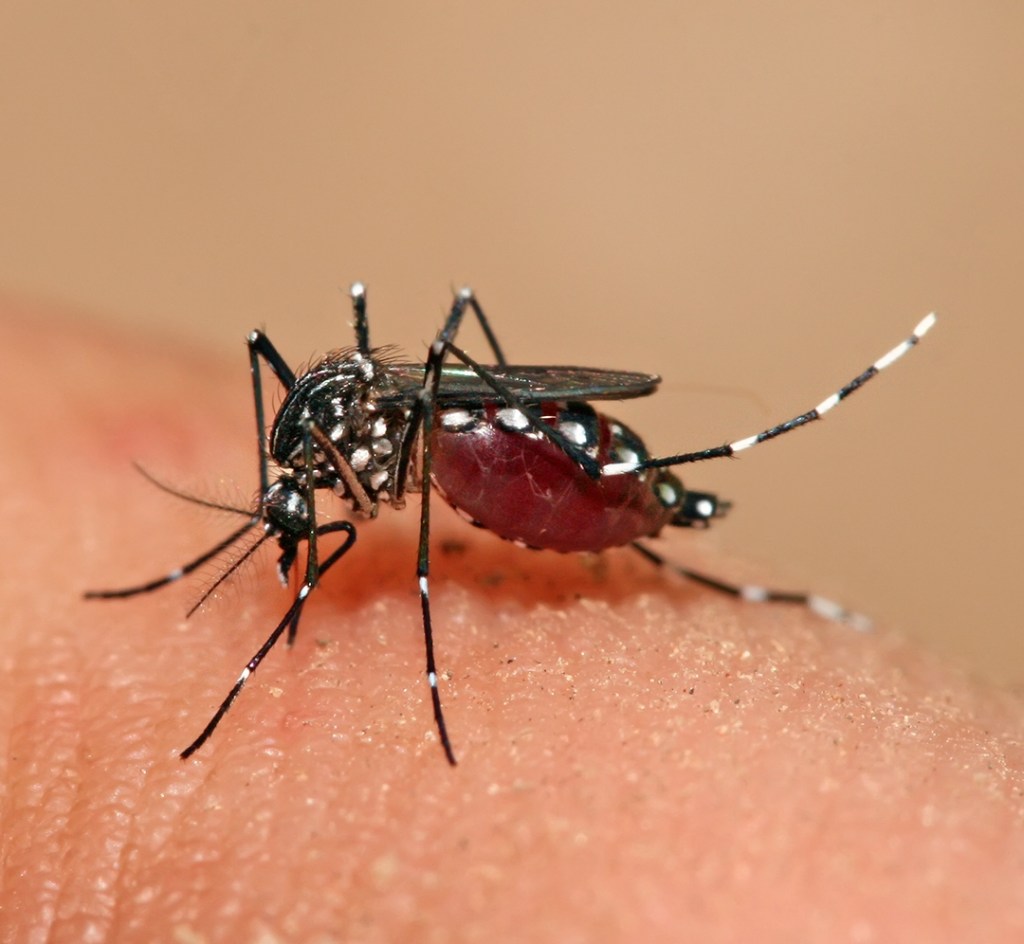
Features
Fever,backache, arthralgias, headache, generalised pains (‘break-bone fever’), pain on eye movement, lacrimation, scleral injection, anorexia, nausea, vomiting, pharyngitis, upper respiratory tract symptoms, relative bradycardia, prostration, depression, hyperaesthesia, dysgeusia, lymphadenopathy
Warning signs
Probable dengue plus one of:
Abdominal pain or tenderness
Persistent vomiting Signs of fluid accumulation, e.g. pleural effusion or ascites
Mucosal bleed
Hepatomegaly > 2 cm
Rapid increase in haematocrit with fall in platelet count
Needs medical intervention, e.g. intravenous fluid
Diagnosis
The diagnosis can be confirmed by seroconversion of IgM or a fourfold rise in IgG antibody titres
Serological tests may detect cross-reacting antibodies
detection of dengue virus RNA by PCR in blood or CSF
(ELISA) kits to detect the NS1 viral antigen
Treatment
supportive, emphasising fluid replacement
No existing antivirals are effective.
Aspirin should be avoided due to bleeding risk
Liscenced Vaccine is available DENGAVAXIA
Ref,Davidson medicine
 GOOD HEALTH AND WEALTH